
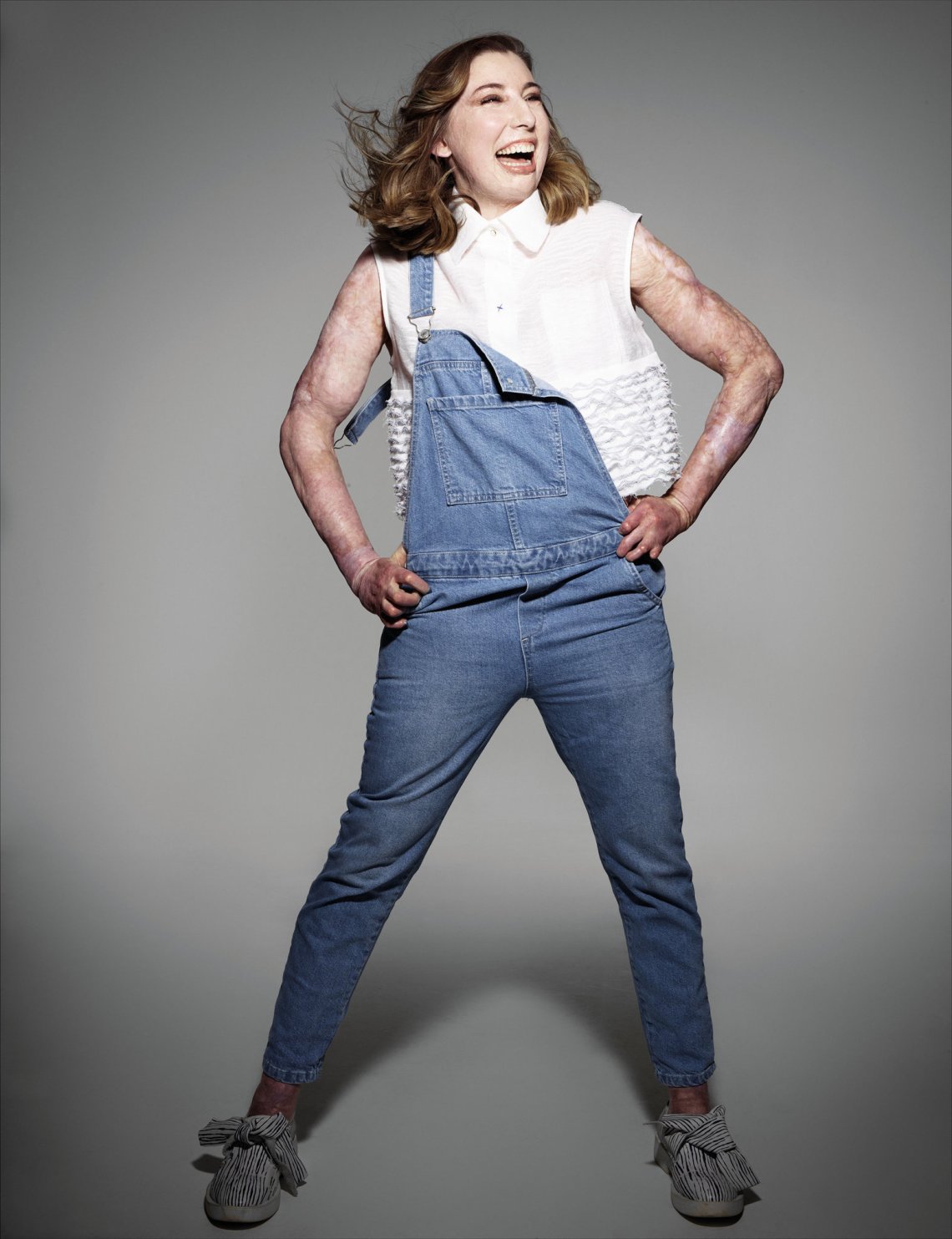
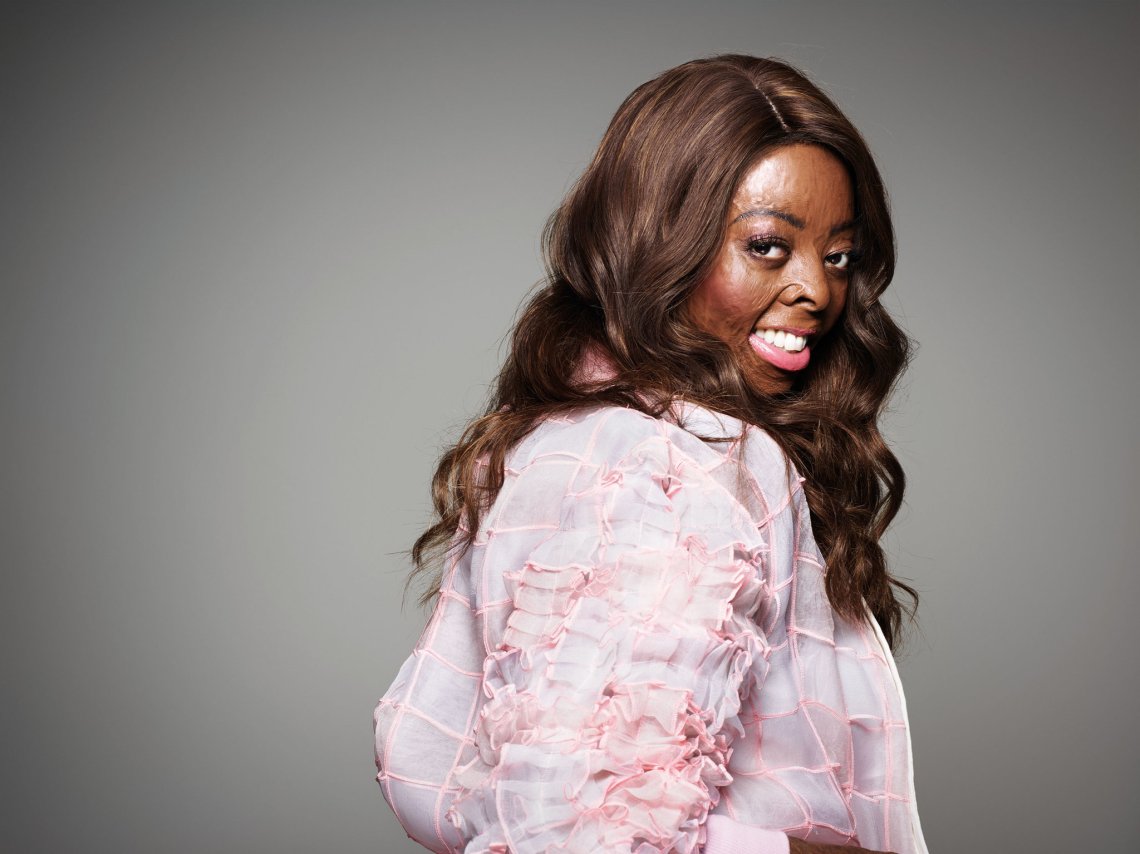
As we all know, the fashion world has helped to confront many of the beauty problems in the last 4 or 5 years. Many of the great designers have got to an end with that “perfectionist image” of white skin, slim body, and perfect face, turning the world of fashion into a tool to overcome the physical “barriers” such as plus size, diversity of skins and age. However, fashion hasn’t covered all of the targets, there is a group of women who are still victims of their insecurities and these are women with physical and mental disabilities.
And while this group is one of the most neglected in the fashion industry due to the perfection of the image that has been created in past decades, there are people like Stephen Bell, who has decided to confront this isolation of women due to his own physical state by releasing his new book Portrait Positive.
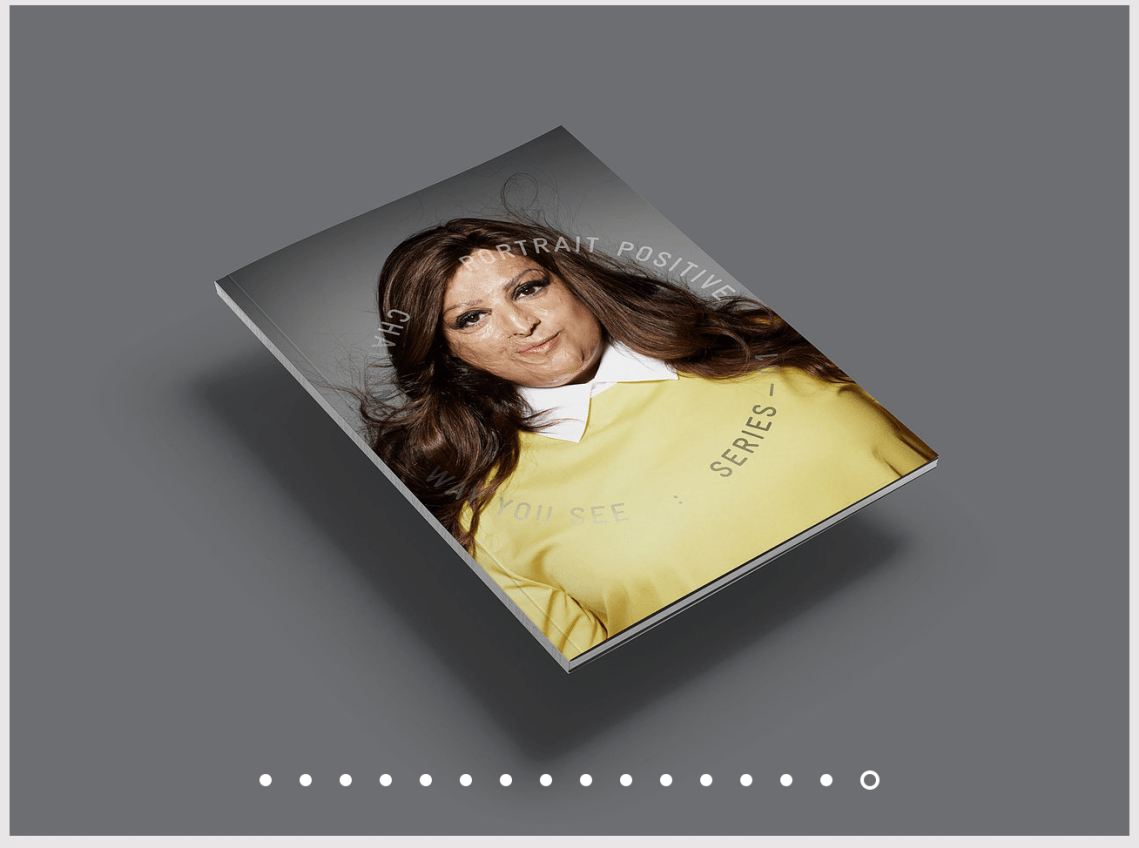
Bell describes himself as someone different, someone with different physical traits since at birth, Bell was born with 4 of his right-hand fingers together, limiting him to be independent and to have mobility in his hand as someone without this disfiguration. However, in order to have greater independence, doctors performed surgery on his hand, making him one of the few people who managed to overcome the physical difficulty.
This not only affected Bell’s physical condition, but also his mental health. Bell shares his thoughts with NY Times and says that he never had an idol or someone to admire since disabilities were something that was never talked about. “I grew up with insecurities since I never had an understanding about my physical condition, nor did I see anyone famous with any disability,” says Bell.
Luckily, with the creation of the internet, Bell found images of people who shared his same physical condition, and people with whom he could identify without feeling less.
Thanks to these people, Bell was able to categorize his illness, for which he discovered that he was born with a disease called Syndactyly. This is the second most common congenital hand condition and occurs in around one in every 1,000 births, but neither Mr. Bell’s parents nor his doctors provided him with the label or language to describe what he was experiencing.
The idea of this “superhero,” for many, was born two years ago when Bell contacted fashion designer Steve Tai with the idea of using fashion as a platform to raise doubts about the isolation of the physical conditions as “normal”. Designer Tai agreed to participate since he always believed in the acceptance and celebration of personal insecurities as a source of positivism.
The purpose of this incredible collaboration was not only to raise doubts about this isolation but also to raise funds for a British foundation called Changing Faces, which supports children, young people, and adults with visible physical differences that have been caused at birth, for an accident, illnesses or other medical situations.
Clearly, the fashion industry has had a lot of difficulty putting people with disabilities as their main image, since many of the brands in this industry promote a beauty that is perfectly “unattainable”. However, it is a pity that these industries do not focus on this sector as the main consumer, since it is estimated that a billion of these people, worldwide, are major consumers.
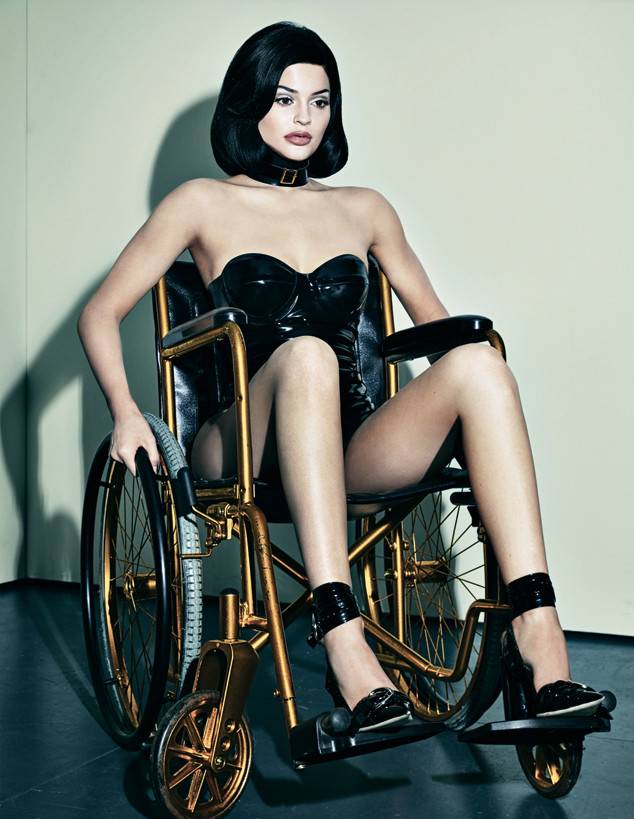
Although, for many, this subject seems “untouchable,” it has been an inspiration for many fashion photographers such as Steven Klein, who photographed Kylie Jenner in wheelchairs, or Helmut Newton who photographed Nadja Auermann showing Stilettos, leg braces, and wheelchairs as props. However, these editorials have only been part of vain inspirations that clearly do not show the truth behind the issue of physical disability.
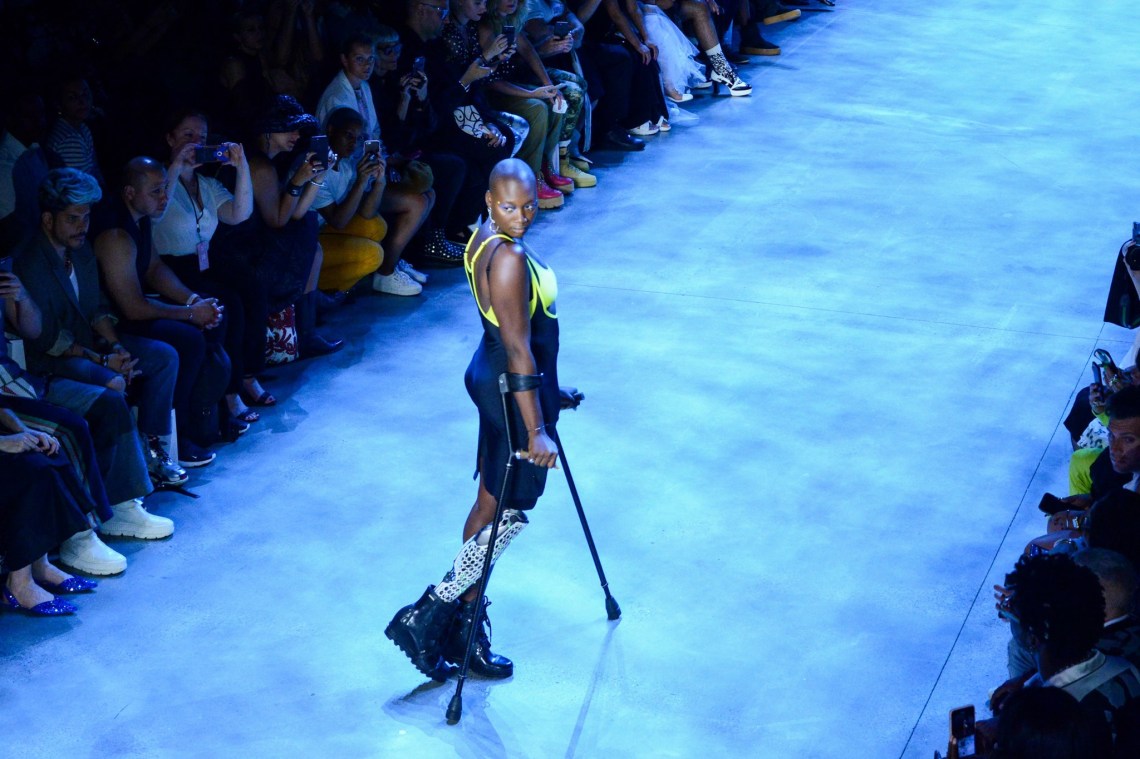
Changing Faces has not been the only organization with which many people are trying to make a difference for this community. But also brands like Mama Cax, who used a model with her leg amputated for her NY fashion catwalk, following the cover of Teen Vogue.
Now then, the big question here is “when this physical limitation will call as much attention as to turn it into something normal?” and it is here when we introduce another big figure in this picture, with the name of Carly Findlay, who has also been a victim of a visibly different appearance. Findlay, who suffers from ichthyosiform erythroderma (a condition that affects the skin, leaving it red and sometimes scaly), is an Australian writer and activist who has decided to be part of this cause and asks us the following question: “Why can not beauty just be – why does facial difference have to be radical? ” and the truth is that in this Findlay, she’s absolutely right!
To continue contributing to this cause, Carly organized a fashion show focused on the disabilities, which caused a positive reaction by promoting the acceptance of the appearance of each person in the event. Carly intends to make this fashion show every year, however, she wants that in each fashion show the access and inclusion to be embedded in fashion, as opposed to isolated as “other,” the way it is (even with the best intentions).
Have you ever wondered what it would be like to have some physical disability or some deformation that will change your physical aspect? I want to challenge each reader to a more positive acceptance towards anyone with physical limitations, to create a society of women with a stronger self-esteem.
 confessionsofafashionfreak.fashion.blog